India - Ladakh
Introduction to the India Ladakh expedition |
![]() |
![]() |
|
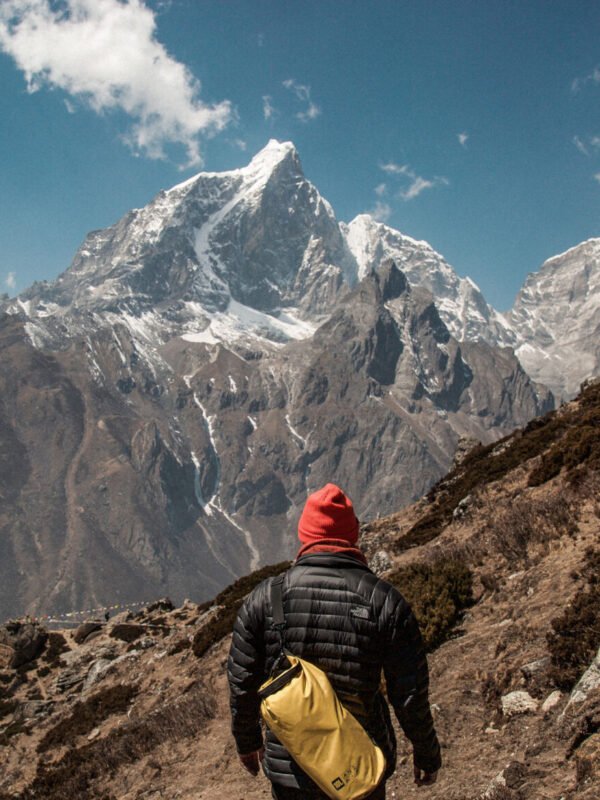
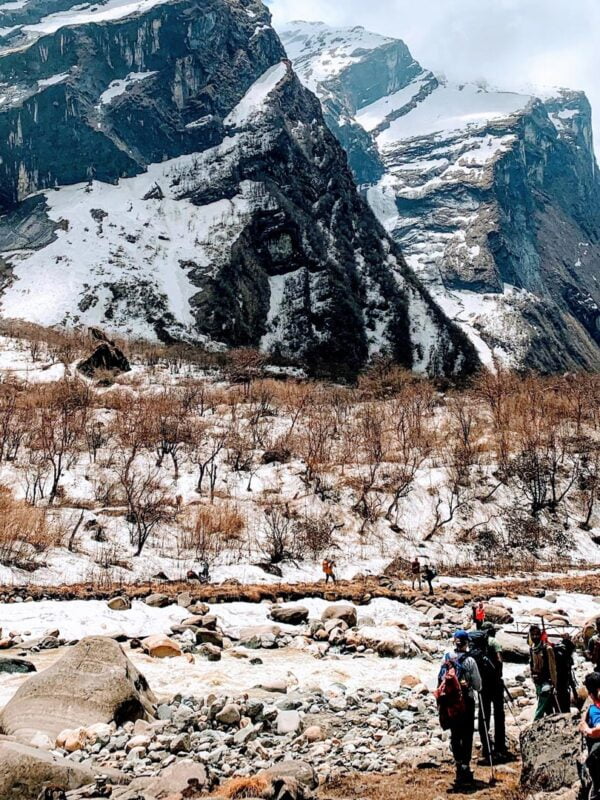
After arriving in Delhi the team will head north to the region of Himachal Pradesh, through the Kullu Valley into the bustling town of Manali. In a dramatic setting of beautiful mountains and lush pine forests, there is a huge buzz in the town where eager trekkers provision and prepare for expeditions into the great Indian Himalaya. After a period of acclimatisation in ‘The Valley of the Gods’, as the Kullu Valley is locally known, the team will set out into the most remote region of the India Himalaya.
A Ladakh expedition is unique and will be both challenging and rewarding. Protected by the Himalayas, this area benefits from being out of the reach of the monsoon (which affects other trekking areas throughout the summer) and the sun shines for around 300 days of the year. Teams need to be physically fit and mentally prepared in order to get the most out of the trek. Acclimatisation is important and project work carried out in Leh will help facilitate this.
Some possible expedition objectives are given below, please note these may alter between now and your expedition. The Expedition Program Manager for India (Stok Kangri) will agree a suitable expedition itinerary for you, to best match the abilities and aspirations of your team.
![]() |
![]() |
![]() |
Acclimatisation
There are several short treks out of Manali and Leh that can be done before the main trekking phase. They can incorporate visits to places of local cultural importance such as temples and monasteries.
Main Trekking phase
The team will have a 2 day journey to reach the town of Leh deep in the India Himalaya after travelling the second highest motorable road in the world reaching an elevation of 5578m!
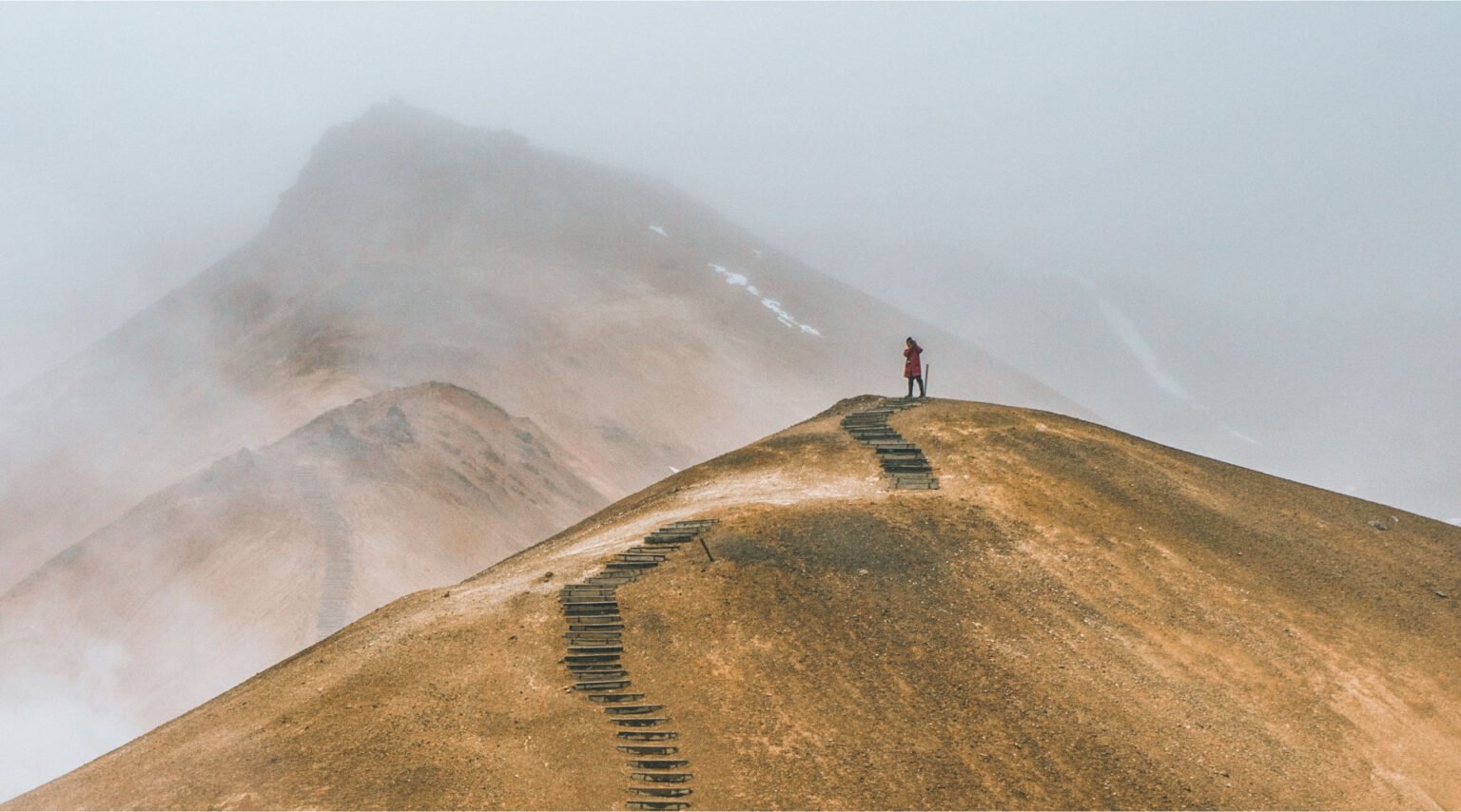
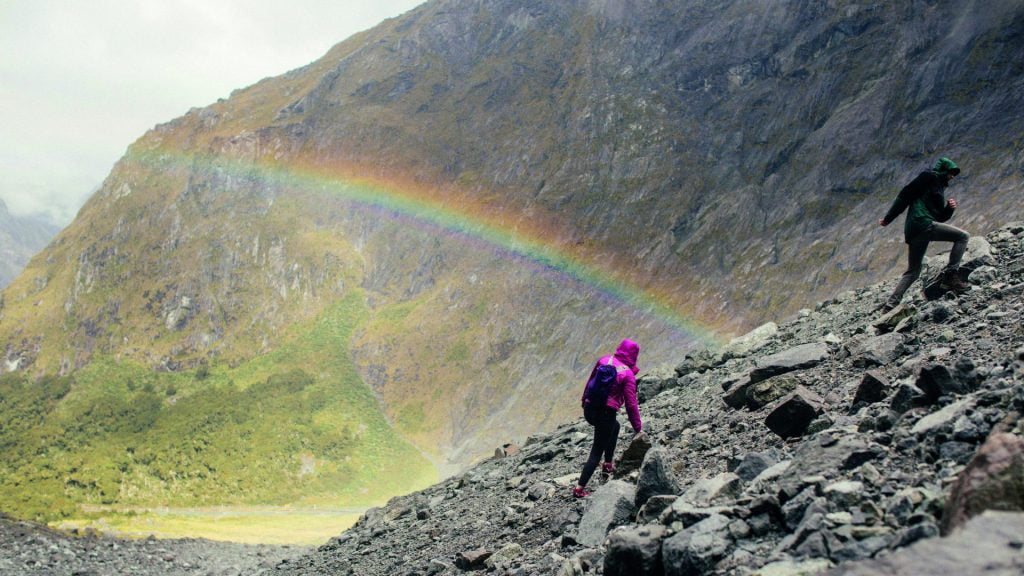
A 10-12 day trek in one of the most remote trekking valleys of the Indian Himalaya. Starting from Spituk, it is possible to do a circular route in the stunning Markha Valley finishing at Hemis. Trekking in this beautiful and remote area the team will have a chance to get off the beaten track with possibilities of seeing wildlife indigenous to the area.
Project phase
Teams carry out project work around Leh. Projects are usually carried out in schools, with teams helping with maintenance work, painting murals, fixing buildings or general odd jobs with plenty of opportunity for interaction with local villagers and children.
Rest & Relaxation
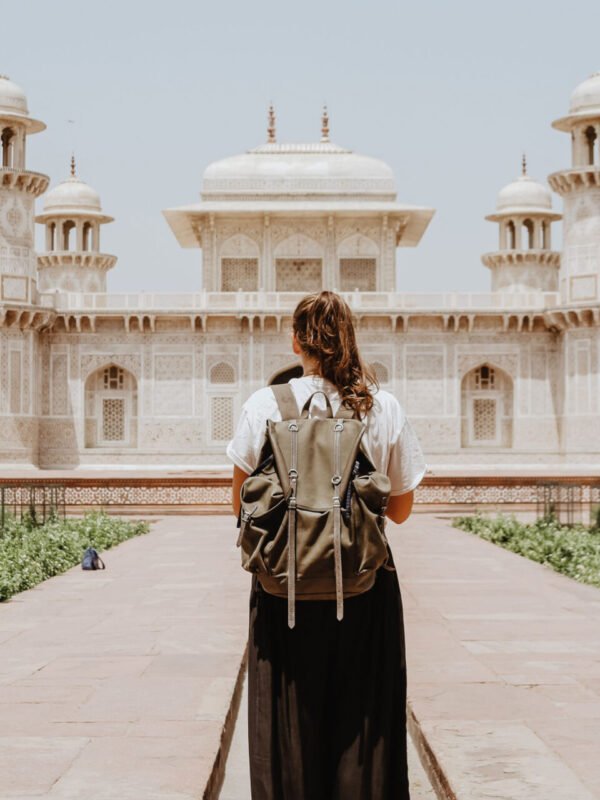
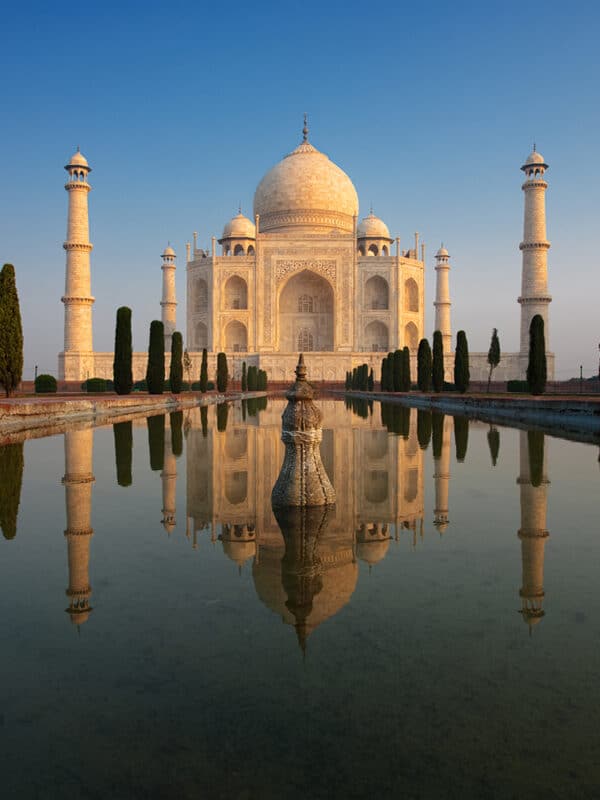
Depending on the progress of the trek, the last days in India can be spent seeing some of its tourist attractions. Few people visit India without going to see the Red Fort in Delhi and the magnificent Taj Mahal in Agra.
As a teacher, this is one of the best learning experiences I have been party to. I have never been so proud of a group of kids. This program has challenged the students to their best! The World Challenge ethos of Participation, Environment and Challenge really came to life on the trip - each of the students understood the relevance. Watching a group of nervous, needy students turn into independent, efficient, thoughtful young people is something I wish everyone had the opportunity to witness. This is a time that no one on the expedition will forget.![]()
Lynda Goldsmith, School Leader - Warragul Regional College, India Uttaranchal 2008
Find out more
T +61 (0) 395 317 780 - Australia
T 0800 456 134 - New Zealand
T (852) 8170 3646 - Hong Kong
E support@worldchallenge.com.au